
Editorial Standards
Editorial Standards
These standards guide how Unseen Borders researches, verifies, interviews, edits and presents factual stories. They apply to every project we make.
The short version
Accuracy before assumption. Context before conclusion. People before stereotypes.
These are the standards every commission, film and report we produce is measured against.
Where a project is sponsored, commissioned or made in partnership, that relationship is disclosed. Editorial conclusions stay with us.

01
Accuracy
We verify information before publication and distinguish clearly between confirmed fact, allegation, analysis and opinion.
When something cannot be independently confirmed, we say so rather than presenting it as fact.
02
Verification
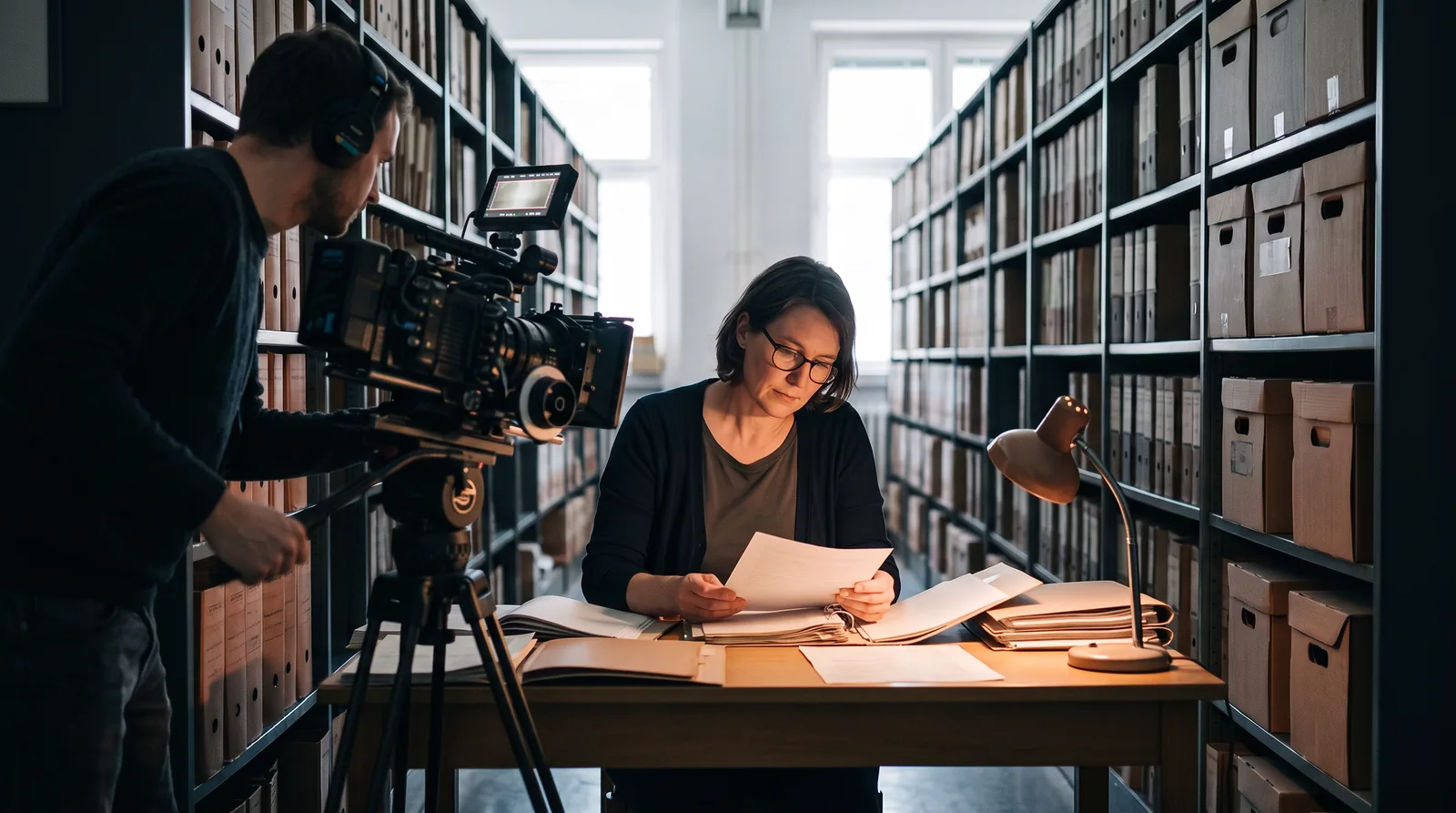
Reporting rests on firsthand work: direct interviews, primary documents, credible data, trusted local journalists, subject matter experts and reliable independent sources.
03
Independence
Editorial decisions are made on journalistic judgment. Sponsors, brands, partners, governments and other outside interests do not determine the factual conclusions of our reporting.
Sponsored, commissioned or partnership work is disclosed where relevant.
04
Fairness
Stories are approached with a genuine effort to understand the people, communities and institutions involved. On disagreement, politics, conflict and public affairs, relevant sides get a fair opportunity to be represented.
Fairness does not mean false balance where the evidence does not support it.
05
Context
We go past the isolated headline. Reporting explains the history, politics, culture and circumstances that help an audience understand why something is happening.
06
On the ground reporting
Wherever possible we go to the place and the community being covered, and speak with people living the story rather than relying on outside commentary.
07
Cultural respect and human dignity
Reporting across countries and cultures requires context and humility. We avoid stereotypes and sensationalism, and we do not reduce a community to conflict, poverty, politics or scenery. Interview subjects, victims, vulnerable communities and ordinary people are treated with dignity.
People are portrayed as people, not as symbols of a story. The fact that something can be filmed or published does not mean it should be.
08
Corrections
If we make a meaningful factual error we correct it clearly and promptly, in the place the error appeared. Accuracy matters more than protecting our pride.
09
Transparency
Where it is relevant we explain where information came from, what could not be confirmed, and what limited the reporting. The audience should be able to tell what we know from what we are still working out.
10
Editing and craft
Photography, editing, music and pacing exist to hold attention, not to persuade an audience of something the reporting does not support. If a cut would make a scene feel truer than the evidence allows, we do not make that cut.
What we rely on
Sources we trust
Firsthand reporting
Direct interviews
Primary documents
Credible data
Trusted local journalists
Subject matter experts
Reliable independent sources
Social media is a lead, not evidence. Nothing from a feed is treated as verified until we can stand behind it ourselves.
Questions about how we work
Commissioners and partners are welcome to ask how a story was sourced, what we could not confirm, and where a correction was made.